Aqua.c1ub.net
*
  Sun 29/Nov/2026
หน้า: 1   ลงล่าง
พิมพ์
ผู้เขียน หัวข้อ: ไม่รู้ปูอะไร?  (อ่าน 4564 ครั้ง)
AoFaT ออฟไลน์
Club Member
« เมื่อ: 03/01/10, [02:43:00] »
ตอบโดยอ้างถึงข้อความ

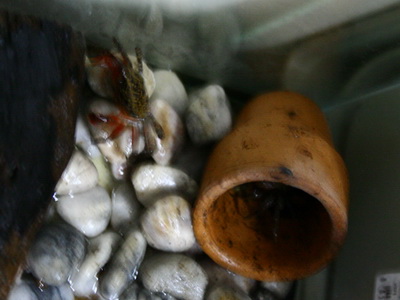
ตัวดำๆ ปลายก้ามออกสีส้ม+แดงๆ อ่ะครับ ซื้อมาตัวละ10บาท 2ตัวครับตั้งแต่วันลอยกระทง (2/11/2552)
แต่มาอ่านในบอร์ดแล้วมันน่าจะเป็นปูทะเล ผมเลยเศร้านิดหน่อยครับไม่รู้จะทำยังไง
เลยลองจัดครึ่งบกครึ่งน้ำ(จืด)ให้เขาอาศัยอยู่ดู แล้วก็เลี้ยงมาเรื่อยๆโดยให้อาหารกุ้ง
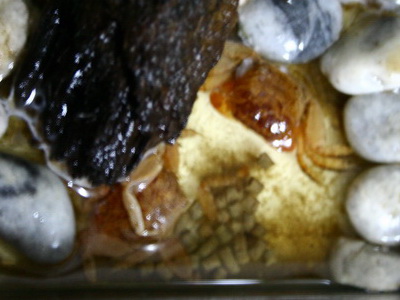
จนช่วงวันที่31 ธันวาคม - 2 มกราคม ที่ผ่านมานี้ เขาได้ลอกคราบอ่ะครับ พร้อมกันเลย2ตัว
ตอนแรกที่เห็นซากตกใจมากครับเนื่องจากผมไม่อยู่ กลับต่างจังหวัด เลยคิดว่าเขาตายแล้ว
แต่ที่จริงเขาลอกคราบอ่ะครับแล้วต่างคนต่างแอบกันอยู่ ทั้ง2ตัวเลย แล้วก็ตัวโตขึ้นอีกนิดหน่อย จากตัวประมาณเหรียญ5 เป็นประมาณเหรียญ 10
ตอนนี้ก็เลยสงสัยว่ามันเป็นปูอะไรอ่ะครับ? ใช่ปูน้ำจืดรึเปล่า เพราะถ้าเป็นปูทะเลน่าจะตายไปตั้งนานแล้ว
ขอบคุณครับ
Scrubb ออฟไลน์
Club Brother
« ตอบ #1 เมื่อ: 03/01/10, [02:49:05] »
ตอบโดยอ้างถึงข้อความ

ตอนซื้อไม่ได้ถามคนขายเหรอครับ
AoFaT ออฟไลน์
Club Member
« ตอบ #2 เมื่อ: 03/01/10, [02:55:44] »
ตอบโดยอ้างถึงข้อความ

เขาก็บอกปูน้ำจืดอ่ะครับ อยู่น้ำลึกได้ แต่ผมไม่มั่นใจเลยจัดแบบครึ่งบกครึ่งน้ำ
ตอนแรกจะเอาไปปล่อยที่ป่าชายเลนก็ไปไม่ถูก (ผมอยู่คลอง6รังสิตครับ)
ก็เลยเลี้ยงไปก่อน จนอยู่มาจนลอกคราบก็เลยยังงงครับว่ามันปูอะไรกันแน่
ตอนแรกผมเดาว่าปูแสม  แต่ถ้าใช้ก็ไม่น่าจะอยู่จนครบ2เดือนแบบนี้

งั้นเดี๋ยวผมลองเอารูปให้ดูนะครับ
AoFaT ออฟไลน์
Club Member
« ตอบ #3 เมื่อ: 03/01/10, [03:10:42] »
ตอบโดยอ้างถึงข้อความ

เจ้า2ตัวที่เลี้ยงมา2เดือนครับ

อันนี้เป็นคราบเขาครับ
sunji09 ออฟไลน์
Club Member
« ตอบ #4 เมื่อ: 03/01/10, [07:56:12] »
ตอบโดยอ้างถึงข้อความ

สุดยอด รอติดตามผู้รู้มาบอกครับ idea1
ป๊ะป๋าดุ๊กดิ๊ก&น้องดริว&น้องดรีม ออฟไลน์
Shrimp Admin
« ตอบ #5 เมื่อ: 03/01/10, [08:12:07] »
ตอบโดยอ้างถึงข้อความ

 สำหรับตัวนี้เป็นปูสองน้ำครับ คือสามารถปรับเลี้ยงในน้ำจืดได้ และ อยู่ในน้ำกร่อย ถึงค่อนข้างเค็มได้ แต่ถ้าจะเพาะพันธุ์นี่
ต้องใช้ น้ำเค็มเข้าช่วยครับ ลักษณะการเพาะน่าจะคล้ายๆกับกุ้งยามาโตะครับ เจ้าตัวนี้คือ ปูแสม ก้ามแดง ครับ
 ( ปูแสม มีหลายชนิด )
*******************************************************************************
ข้อมูลเพิ่มเติม ::
ชื่ออังกฤษ : Red-Claw Marsh Crab
ชื่อวิทยาศาสตร์ : Chiromanthes eumolpe (de Man)
วงศ์ : GRAPSIDAE
ไฟลั่ม : ARTHROPODA

กระดองเป็นรูปสี่เหลี่ยมผืนผ้า ขนาดกว้างประมาณ 2.3 เซนติเมตร พื้นผิวปกคลุมด้วยกลุ่มขนกระจัดกระจายทั่วไป พื้นผิวกระดองมีสีน้ำตาลสลับลวดลายสีน้ำเงินอมฟ้า ก้ามมีสีแดงอมดำ ปลายก้ามสีแดงสด ส่วนท้องด้านล่างมีสีม่วงแดง ปู แสมชนิดนี้ขุดรูอาศัยอยู่ตามพื้นป่าชายเลนทั่วไป นับเป็นชนิดที่พบได้บ่อยมากทั้งในอ่าวไทยและฝั่งมหาสมุทรอินเดีย
 ตัวอย่างขั้นตอนการเพาะพันธุ์ :
Raising Red Clawed Mangrove crabs from tiny eggs, through the larvae stage and into impressive adults is not the easiest project you can venture, but it’s not impossible either.

To begin with, you will of course need a female Mangrove crab and her eggs. Female mangrove crabs often get eggs if they are kept in a holding aquarium with males. To successfully raise the frail larvae you will also need a separate rearing aquarium where conditions can be kept optimal and there are no predators present. The breading aquarium can be a regular aquarium with a capacity of at least 100 litres. Place a 2 cm thick layer of fine sand at the bottom. To make sure the aquarium is properly oxygenated and circulated equip it with air stones or similar. Take water and bogwood from the already running aquarium and use it to cycle the rearing aquarium. Also add about 1 tablespoon salt per 1 litre water. Recommended gravity of the water is 0.010 ppm. The gravity can be checked with a hydrometer. Calibrate the heather, connect the lights to a timer, place a hatchery for artemia in the aquarium and buy high quality fluid food. Be vigilant when doing these things. Small things like this might seem inconsequential, but providing the right temperature, nutrition and amount of light is crucial when raising Red Clayed Mangrove crab. Put a piece of cork or similar in the aquarium to provide the female Mangrove crab with an opportunity to climb out of the water.

The female Red Clawed Mangrove crab will carry her eggs under her wide tail for about three weeks. The eggs will be red at first and then slowly change colour during the brooding. You know when the hatching is near, since the eggs will turn grey. This is the signal for you to put the female into the breeding aquarium. Keep her in there until the all the eggs have hatched.


Red claw crab, Sesarma Bidens - Picture by Radio KJ
 Fluid artemia is a good choice of food for the crab larvae when they are newly hatched and very small. Feeding 3-5 times a day is usually enough. Keep in mind that a heavy current in the aquarium makes it hard for the crab larvae to catch the artemia. Adjustments might have to be done during feeding. Remember to measure to levels of nitrate and nitrite regularly and keep them as low as possible. Avoid over-feeding. When the larvae grow bigger they will start hunting live artemia bred in the aquarium as well. You can then decrease the feeding.

Your Red Clawed Mangrove crab larvae will moult approximately every third day. After the first moult it will be easier to distinguish the different parts of the crab larvae, like the tail. The larvae are called zoea during the first stage of their life outside the egg, and megalopas during the second. Megalopas are bigger and wider than zoea, with a tail that is thicker and straighter. Megalopas are also lighter in colour. Notice how zoeas and megalopas move around in the aquarium in two totally different manners. The zoea groups move very quickly from one place to another, as if they were swimming away from something dangerous. Megalopas swim in a more calm and stable way.

The first stages of the larvae life is tuff on them, and you should not be surprised if a lot of them die. Don’t allow dead larvae to contaminate the aquarium. High levels of nitrite and nitrate are extremely unhealthy for all the inhabitants. You might have to do very frequent water changes if your filtration is not working properly.

After a few weeks the surviving larvae will be looking less and less like larvae and more and more like tiny Red Clawed Mangrove crabs. They will probably not swim around as much as when they were younger. Instead they will walk on the sand or gather on the bogwood or other surfaces. It might take a while before they figure out how to properly use their legs and you may see them try to walk around in a sort of upside down style.

When the crabs have become even bigger and look like tiny copies of their parents it’s advisable to supply them with several pieces of cork. This way they can climb out of the water and try out life on the surface. They will moult about every 7th to 10th day. When the crabs are no longer hunting the artemia you can remove the artemia hatchery from the aquarium. Start feeding your crabs flake food, small granulates and frozen bloodworm. It’s still extremely important to monitor the water conditions. As the crabs grow older it’s time for you to gradually decrease the salinity in the aquarium until there is no salt at all in the water. After a few months the crabs will probably be about 1 cm and you can start telling which sex they are. Suggested food is flakes, bloodworm, granulates and vegetables.

I hope these guidelines and suggestions will prove helpful to you and that you will succeed in breeding Red Clawed Mangrove crabs. It might require some work, but it is truly great watching these little creatures grow up from tiny eggs to big sturdy crabs. Keeping Mangrove crabs that you have followed throughout their entire life is a very special feeling.

อ้างอิงจาก : http://www.aquaticcommunity.com/inv/redclawmangrovecrabs.php
« แก้ไขครั้งสุดท้าย: 03/01/10, [08:24:50] โดย ดุ๊กดิ๊กฮารูปิ๊ & ฉึ่งแมวส้ม »
ป๊ะป๋าดุ๊กดิ๊ก&น้องดริว&น้องดรีม ออฟไลน์
Shrimp Admin
« ตอบ #6 เมื่อ: 03/01/10, [08:20:52] »
ตอบโดยอ้างถึงข้อความ

ตอนซื้อไม่ได้ถามคนขายเหรอครับ
คนขายส่วนใหญ่จะบอกว่าเป็นปูน้ำจืด เลี้ยงกับปลาได้ทุกชนิด ปลาทองก็ได้ เลี้ยงน้ำเต็มไปเลย มาถามในเว็บนี้น่ะดีแล้วขอรับ
ยิ่งถ้าเป็นตาลุงบางคนนี่ ข้อมูลในการเลี้ยงที่ได้ จะพิสดารพันลึก และชวนให้เลี้ยงไม่รอดได้ ยิ่งกว่านี้เยอะครับ  asspain
แค่บอกปลาปักเป้า แดร็ก เอ๊ย กิน ( แหม เผลอใช้คำไม่สุภาพไปหน่อย เดี๋ยวต้องแบนตัวเอง ) อาหารเม็ดได้ ก็เครียดพออยู่แล้วครับ
« แก้ไขครั้งสุดท้าย: 03/01/10, [08:23:15] โดย ดุ๊กดิ๊กฮารูปิ๊ & ฉึ่งแมวส้ม »
sunji09 ออฟไลน์
Club Member
« ตอบ #7 เมื่อ: 03/01/10, [10:08:15] »
ตอบโดยอ้างถึงข้อความ

ต้องยืมมุข ของท่านประธาน คากะ
If memory serves me right ...  ต้องเป็นคุณลุงคนนั้นแน่เลย เดียวนี้คุณลุงต้องมีชื่อเสีย งโด่งดังในเว็บ hide2
l3laX ออฟไลน์
Club Brother
« ตอบ #8 เมื่อ: 03/01/10, [10:43:14] »
ตอบโดยอ้างถึงข้อความ

สำหรับตัวนี้เป็นปูสองน้ำครับ คือสามารถปรับเลี้ยงในน้ำจืดได้ และ อยู่ในน้ำกร่อย ถึงค่อนข้างเค็มได้ แต่ถ้าจะเพาะพันธุ์นี่
ต้องใช้ น้ำเค็มเข้าช่วยครับ ลักษณะการเพาะน่าจะคล้ายๆกับกุ้งยามาโตะครับ เจ้าตัวนี้คือ ปูแสม ก้ามแดง ครับ
 ( ปูแสม มีหลายชนิด )
*******************************************************************************
ข้อมูลเพิ่มเติม ::
ชื่ออังกฤษ : Red-Claw Marsh Crab
ชื่อวิทยาศาสตร์ : Chiromanthes eumolpe (de Man)
วงศ์ : GRAPSIDAE
ไฟลั่ม : ARTHROPODA

กระดองเป็นรูปสี่เหลี่ยมผืนผ้า ขนาดกว้างประมาณ 2.3 เซนติเมตร พื้นผิวปกคลุมด้วยกลุ่มขนกระจัดกระจายทั่วไป พื้นผิวกระดองมีสีน้ำตาลสลับลวดลายสีน้ำเงินอมฟ้า ก้ามมีสีแดงอมดำ ปลายก้ามสีแดงสด ส่วนท้องด้านล่างมีสีม่วงแดง ปู แสมชนิดนี้ขุดรูอาศัยอยู่ตามพื้นป่าชายเลนทั่วไป นับเป็นชนิดที่พบได้บ่อยมากทั้งในอ่าวไทยและฝั่งมหาสมุทรอินเดีย
 ตัวอย่างขั้นตอนการเพาะพันธุ์ :
Raising Red Clawed Mangrove crabs from tiny eggs, through the larvae stage and into impressive adults is not the easiest project you can venture, but it’s not impossible either.

To begin with, you will of course need a female Mangrove crab and her eggs. Female mangrove crabs often get eggs if they are kept in a holding aquarium with males. To successfully raise the frail larvae you will also need a separate rearing aquarium where conditions can be kept optimal and there are no predators present. The breading aquarium can be a regular aquarium with a capacity of at least 100 litres. Place a 2 cm thick layer of fine sand at the bottom. To make sure the aquarium is properly oxygenated and circulated equip it with air stones or similar. Take water and bogwood from the already running aquarium and use it to cycle the rearing aquarium. Also add about 1 tablespoon salt per 1 litre water. Recommended gravity of the water is 0.010 ppm. The gravity can be checked with a hydrometer. Calibrate the heather, connect the lights to a timer, place a hatchery for artemia in the aquarium and buy high quality fluid food. Be vigilant when doing these things. Small things like this might seem inconsequential, but providing the right temperature, nutrition and amount of light is crucial when raising Red Clayed Mangrove crab. Put a piece of cork or similar in the aquarium to provide the female Mangrove crab with an opportunity to climb out of the water.

The female Red Clawed Mangrove crab will carry her eggs under her wide tail for about three weeks. The eggs will be red at first and then slowly change colour during the brooding. You know when the hatching is near, since the eggs will turn grey. This is the signal for you to put the female into the breeding aquarium. Keep her in there until the all the eggs have hatched.


Red claw crab, Sesarma Bidens - Picture by Radio KJ
 Fluid artemia is a good choice of food for the crab larvae when they are newly hatched and very small. Feeding 3-5 times a day is usually enough. Keep in mind that a heavy current in the aquarium makes it hard for the crab larvae to catch the artemia. Adjustments might have to be done during feeding. Remember to measure to levels of nitrate and nitrite regularly and keep them as low as possible. Avoid over-feeding. When the larvae grow bigger they will start hunting live artemia bred in the aquarium as well. You can then decrease the feeding.

Your Red Clawed Mangrove crab larvae will moult approximately every third day. After the first moult it will be easier to distinguish the different parts of the crab larvae, like the tail. The larvae are called zoea during the first stage of their life outside the egg, and megalopas during the second. Megalopas are bigger and wider than zoea, with a tail that is thicker and straighter. Megalopas are also lighter in colour. Notice how zoeas and megalopas move around in the aquarium in two totally different manners. The zoea groups move very quickly from one place to another, as if they were swimming away from something dangerous. Megalopas swim in a more calm and stable way.

The first stages of the larvae life is tuff on them, and you should not be surprised if a lot of them die. Don’t allow dead larvae to contaminate the aquarium. High levels of nitrite and nitrate are extremely unhealthy for all the inhabitants. You might have to do very frequent water changes if your filtration is not working properly.

After a few weeks the surviving larvae will be looking less and less like larvae and more and more like tiny Red Clawed Mangrove crabs. They will probably not swim around as much as when they were younger. Instead they will walk on the sand or gather on the bogwood or other surfaces. It might take a while before they figure out how to properly use their legs and you may see them try to walk around in a sort of upside down style.

When the crabs have become even bigger and look like tiny copies of their parents it’s advisable to supply them with several pieces of cork. This way they can climb out of the water and try out life on the surface. They will moult about every 7th to 10th day. When the crabs are no longer hunting the artemia you can remove the artemia hatchery from the aquarium. Start feeding your crabs flake food, small granulates and frozen bloodworm. It’s still extremely important to monitor the water conditions. As the crabs grow older it’s time for you to gradually decrease the salinity in the aquarium until there is no salt at all in the water. After a few months the crabs will probably be about 1 cm and you can start telling which sex they are. Suggested food is flakes, bloodworm, granulates and vegetables.

I hope these guidelines and suggestions will prove helpful to you and that you will succeed in breeding Red Clawed Mangrove crabs. It might require some work, but it is truly great watching these little creatures grow up from tiny eggs to big sturdy crabs. Keeping Mangrove crabs that you have followed throughout their entire life is a very special feeling.

อ้างอิงจาก : http://www.aquaticcommunity.com/inv/redclawmangrovecrabs.php

ขอบคุณสำหรับข้อมูลดีๆครับ

แต่ปูสวยดีนะ [ปิ๊งๆๆ]
AoFaT ออฟไลน์
Club Member
« ตอบ #9 เมื่อ: 03/01/10, [11:38:33] »
ตอบโดยอ้างถึงข้อความ

ขอบคุณสำหรับข้อมูลนะครับ แสดงว่าที่ผมเดาก็ไม่น่าจะผิด
แล้วยังงี้ผมควรอย่างไรกับเจ้า2ตัวน้อยนี้ดีครับ
ขอบคุณครับ
K2iD ออฟไลน์
Club Brother
« ตอบ #10 เมื่อ: 03/01/10, [12:02:36] »
ตอบโดยอ้างถึงข้อความ

ความรู้ใหม่ๆ  ขอบคุณครับ  hawaii
Gold ออฟไลน์
Club Brother
« ตอบ #11 เมื่อ: 03/01/10, [16:22:05] »
ตอบโดยอ้างถึงข้อความ

จะเอาอีกมะ
มีเต็มคลองเลย ้hahaha
ChathaburiNemo ออฟไลน์
Club Follower
« ตอบ #12 เมื่อ: 03/01/10, [19:24:46] »
ตอบโดยอ้างถึงข้อความ

ใช่ลุงคนเเก่ๆๆที่ไปกี่ทีก็เจอปะครับที่มีปักเป้ามีปูมีเเมงดาไรพวกนี้
ไปทีไรเจอตลอดเลยขายกับพื้อใส่กะละมังใช่ไหม
ป๊ะป๋าดุ๊กดิ๊ก&น้องดริว&น้องดรีม ออฟไลน์
Shrimp Admin
« ตอบ #13 เมื่อ: 03/01/10, [23:14:41] »
ตอบโดยอ้างถึงข้อความ

ต้องยืมมุข ของท่านประธาน คากะ
If memory serves me right ...  ต้องเป็นคุณลุงคนนั้นแน่เลย เดียวนี้คุณลุงต้องมีชื่อเสีย งโด่งดังในเว็บ hide2
อ๊ากกกก ไม่ Get มุขอ่ะหนอ จากเรื่องอะไรหว่า  ้hahaha   ้hahaha   ้hahaha
ป๊ะป๋าดุ๊กดิ๊ก&น้องดริว&น้องดรีม ออฟไลน์
Shrimp Admin
« ตอบ #14 เมื่อ: 03/01/10, [23:17:33] »
ตอบโดยอ้างถึงข้อความ

ขอบคุณสำหรับข้อมูลนะครับ แสดงว่าที่ผมเดาก็ไม่น่าจะผิด
แล้วยังงี้ผมควรอย่างไรกับเจ้า2ตัวน้อยนี้ดีครับ
ขอบคุณครับ
ก็ถ้าชอบ สามารถเลี้ยงได้ต่อไปครับ แต่ถ้าอยากจะปล่อยเขาคืนสู่ธรรมชาติ ก็หาช่วงเวลาที่เราไปเที่ยว แล้วผ่านป่าชายเลน
หรือใกล้ๆแม่น้ำ ที่ออกสู่ทะเลได้ และมีโคลนบริเวณนั้น ก็ปล่อยเขาได้ครับ
buki ออฟไลน์
Club Brother
« ตอบ #15 เมื่อ: 03/01/10, [23:22:22] »
ตอบโดยอ้างถึงข้อความ

ต้องเป็นลุงบ้านั่นแน่ๆ  เคยซื้อแมงดามา แกบอกเลี้ยงน้ำจืดได้ปกติเลย  ตัวนี้ทน
2 วันตายเรียบ  เกลียดจริงๆพวกเอาแต่จะขาย ดีนะซื้อมาไม่แพง ไม่งั้นจับหัวทิ่มกะละมัง
ป๊ะป๋าดุ๊กดิ๊ก&น้องดริว&น้องดรีม ออฟไลน์
Shrimp Admin
« ตอบ #16 เมื่อ: 03/01/10, [23:39:20] »
ตอบโดยอ้างถึงข้อความ

 คนที่พี่น้อง ก็รู้ว่าใครละหนา  ้hahaha  ้hahaha  ้hahaha
nokkinpeaw ออฟไลน์
Club Member
« ตอบ #17 เมื่อ: 14/01/10, [11:14:36] »
ตอบโดยอ้างถึงข้อความ

ถ้าเป็นปูแสมที่อาศัยในพื้นที่นำจืด แต่ต้องวางไข่สืบพันธุ์ในน้ำกร่อย-น้ำเค็ม จะเป็นปูในสกุล Pseudosesarma ลองเอาชื่อไปค้นเพื่อดูภาพเปรียบเทียบดูครับ บ้านเราก็มีนำมาขายอยู่บ้างเหมือนกัน แต่ต้องสังเกตลักษณะเอาเอง
หน้า: 1   ขึ้นบน
พิมพ์
กระโดดไป: